Attachment Styles in Adult Relationships: Why We Love the Way We Do
Discover how attachment styles shape the way we love, communicate, and connect in adult relationships and how therapy can help you move toward secure attachment.
Why Attachment Styles Matter
Have you ever noticed how differently people react in relationships? One person panics if their partner doesn’t reply to a text, while another barely notices. Someone might crave constant closeness, while their partner feels suffocated by it.
These patterns aren’t random quirks they’re often rooted in something called attachment style.
Attachment theory, first developed by John Bowlby and later expanded by Mary Ainsworth, explains how the emotional bonds we form with our early caregivers shape how we relate to others throughout life. While our earliest experiences may set the tone, they don’t seal our fate. With awareness and healing, we can shift toward healthier ways of connecting.
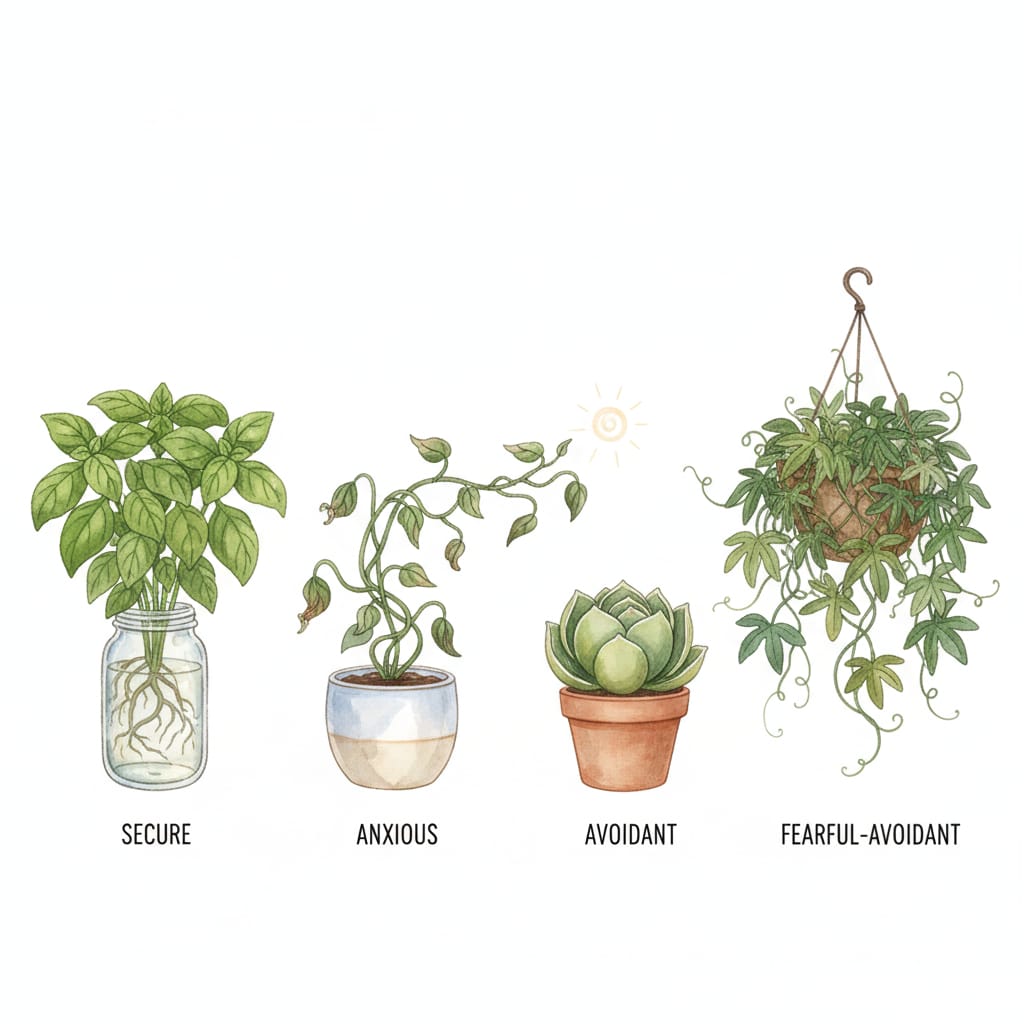
The Four Main Attachment Styles
1. Secure Attachment – “I can depend on you, and you can depend on me.”
- What it looks like in adults: Comfort with both closeness and independence. Securely attached people can communicate needs openly, handle conflict without panic, and trust that relationships can withstand challenges.
- Scenario: If their partner doesn’t answer the phone, they might feel concerned but not overwhelmed. They trust the relationship enough to wait calmly.
- Where it comes from: Typically develops when caregivers are consistent, responsive, and emotionally available.
2. Anxious Attachment – “I’m scared you’ll leave me.”
- What it looks like in adults: Worry about being abandoned, craving constant reassurance, and feeling easily hurt if a partner seems distant. They may overthink texts, calls, or silence.
- Scenario: If their partner doesn’t answer the phone, panic sets in “Are they upset with me? Have I done something wrong?” They might call again and again or spiral into worry.
- Where it comes from: Often develops when caregiving is inconsistent sometimes loving, sometimes withdrawn leaving the child unsure if their needs will be met.
3. Avoidant Attachment – “I don’t need anyone.”
- What it looks like in adults: Independence is valued so much that intimacy feels threatening. These individuals may avoid vulnerability, downplay emotions, or withdraw during conflict.
- Scenario: If their partner doesn’t answer the phone, they might think, “Fine, I’ll deal with it myself,” and shut down emotionally. They may appear calm, but inside they’re distancing to protect themselves.
- Where it comes from: Often linked to caregivers who were emotionally distant, discouraged dependence, or prioritized self-sufficiency over closeness.
4. Fearful-Avoidant (Disorganized) Attachment – “I want closeness, but I’m afraid of it.”
- What it looks like in adults: A push-pull dynamic: longing for intimacy but fearing betrayal or rejection. Relationships may feel chaotic, swinging between intense closeness and sudden withdrawal.
- Scenario: If their partner doesn’t answer the phone, they may panic at first, then tell themselves they don’t care only to feel abandoned later. The emotional response is often conflicting and overwhelming.
- Where it comes from: Frequently connected to childhood trauma, neglect, or frightening caregiving, where the caregiver was both a source of comfort and fear.
Why This Matters in Adult Relationships
Attachment styles affect much more than how we handle texts and phone calls. They influence:
- Conflict resolution: Do you pursue closeness or retreat when there’s tension?
- Emotional expression: Do you share feelings openly, hint at them, or suppress them?
- Trust and intimacy: Do relationships feel like a safe base, or do they feel unpredictable and unsafe?
Understanding your attachment style helps you notice these patterns without judgment. It’s not about labelling yourself as “broken” it’s about learning how your past shaped your present and how you can create change.
Can Attachment Styles Change?
Yes. While early experiences strongly influence attachment, they don’t define you forever. Life experiences, supportive relationships, and therapy can all help shift your style toward secure attachment.
Psychologists call this “earned secure attachment” when someone develops secure ways of relating later in life, even if they didn’t have it in childhood. This often happens through healing relationships, whether romantic, platonic, or therapeutic.
How Therapy Can Help You Heal Attachment Wounds
If you recognize yourself in one of the insecure styles (anxious, avoidant, or fearful-avoidant), therapy can be a powerful space to heal. In our work together, we might:
- Explore your story: Tracing the patterns in your family history that shaped your attachment.
- Notice triggers: Understanding the moments that activate old wounds in current relationships.
- Rewire responses: Using approaches like EMDR, somatic therapy, or Internal Family Systems to gently shift how your body and mind respond to closeness and conflict.
- Practice new ways of relating: Building skills to ask for what you need, set boundaries, and allow vulnerability safely.
Clients often describe therapy as the first place they felt truly safe to show up as themselves. That sense of safety is the foundation for creating more secure attachment in all areas of life.
Moving Toward Healthier Love
Attachment styles explain a lot about why we love the way we do. But they don’t determine your future. With awareness and support, you can learn to:
- Feel safer in closeness,
- Communicate more openly, and
- Build relationships that feel steady, mutual, and secure.
👉 If you’d like to explore your attachment style and how it impacts your relationships, I’d be glad to walk alongside you. Contact me to book a session and begin building healthier, more fulfilling connections.
- All Posts
- Individual Therapy
- Trauma Therapy
Inherited Trauma: Can We Heal What We Didn’t Experience? Ayesha grew up in the UK, surrounded by a loving family....
Attachment Styles in Adult Relationships: Why We Love the Way We Do Discover how attachment styles shape the way we...
Inherited Trauma: Can We Heal What We Didn’t Experience? Discover how the “fawn response” people-pleasing to avoid conflict develops as...