Inherited Trauma: Can We Heal What We Didn’t Experience?
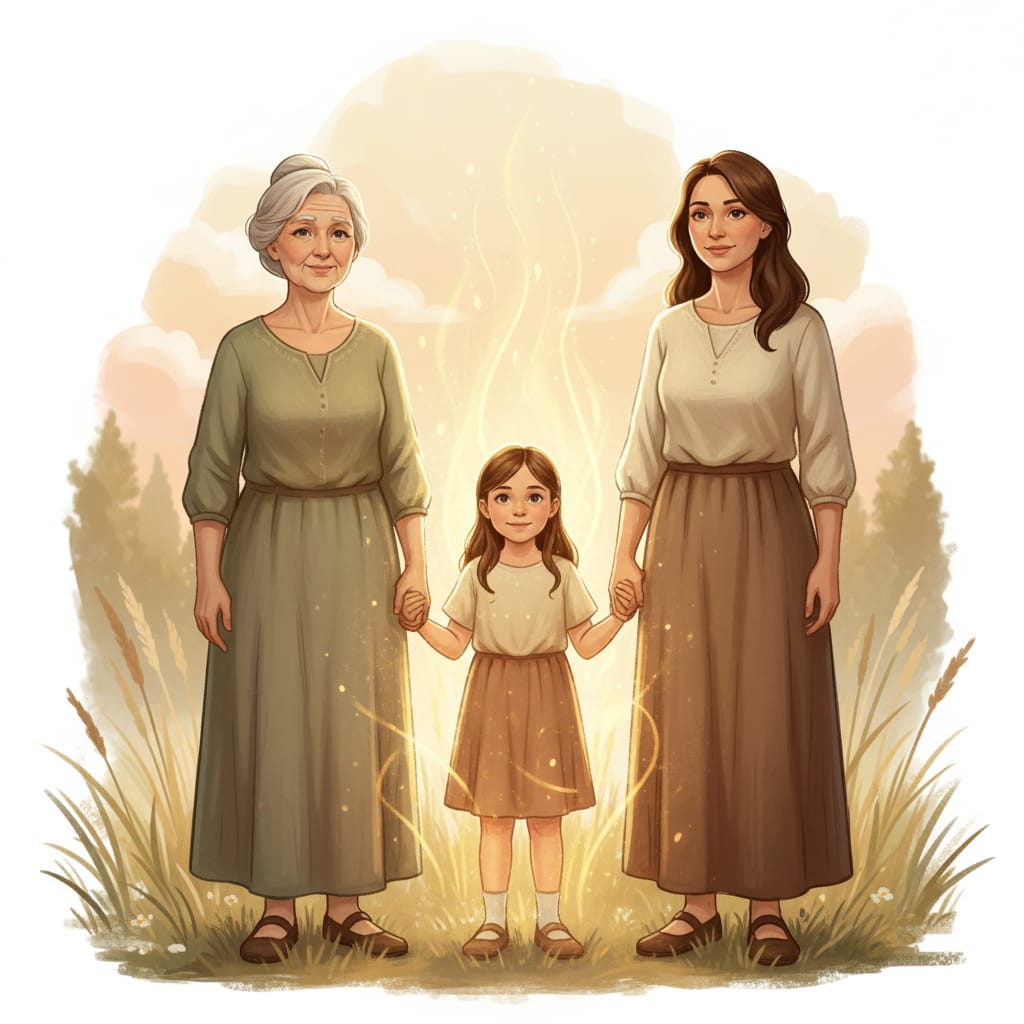
Ayesha grew up in the UK, surrounded by a loving family. But there was always an undercurrent of tension she couldn’t explain. She often felt pressure to succeed, a fear of making mistakes, and a heaviness she carried in her chest. On the surface, her life was stable. Yet inside, she struggled with anxiety she couldn’t trace back to anything in her own story.
When she began to explore her family history, pieces started to fall into place. Her grandparents had migrated to Britain decades earlier, leaving behind the upheaval of Partition. They had endured violence, loss of home, and the pain of starting again in a country that wasn’t always welcoming. They rarely spoke about those experiences, but their silence had shaped the whole family.
What Ayesha was beginning to uncover is what therapists call inherited trauma the way unresolved pain and survival strategies can be carried from one generation to the next, even when the original events are left unspoken.
How Trauma Moves Through Generations
Research confirms what many families already know: trauma doesn’t simply vanish with time.
- Through biology: Studies in epigenetics show that traumatic stress can leave chemical markers that influence how genes are expressed, sometimes making descendants more sensitive to stress.
- Through family patterns: Families that have lived through hardship often cope by avoiding difficult conversations, staying hypervigilant, or holding on to rigid rules about success, safety, or reputation.
- Through culture and history: Communities shaped by Partition, migration, racism, or colonial violence may carry wounds that continue to ripple through younger generations.
Signs You May Be Carrying Inherited Trauma
- Feeling deep fear, grief, or guilt that doesn’t match your personal life story.
- Struggling with perfectionism or pressure to succeed as a way of honoring family sacrifices.
- Noticing repeated cycles in your family, such as struggles with emotional expression, relationships, or identity.
- Experiencing a sense of disconnection from your own feelings because “keeping quiet” became a family survival strategy.
Why Naming It Matters
For many people in the South Asian community, family history is a source of pride, resilience, and strength. But acknowledging inherited trauma doesn’t take away from that it adds compassion.
Understanding that “this didn’t start with me” helps reduce shame and self-blame. It also opens the door to healing, so you can honor your family’s past without being limited by it.
Healing Through Therapy
Inherited trauma can feel heavy, but therapy offers a space to gently explore what’s been passed down and decide how you want to move forward. In my work with clients, this often includes:
- Making sense of family history and the silences around it.
- Exploring how the body holds on to stress that may be generations old.
- Using approaches like EMDR, somatic therapy, and mindfulness to process inherited pain.
- Building new patterns of safety, self-compassion, and connection.
When we do this work, the benefits don’t stop with you. Healing can ripple outward strengthening relationships now and creating a more hopeful path for future generations.
A Different Future
You can’t rewrite your family’s history, but you can decide how it lives on in you. Facing inherited trauma with kindness and courage allows you to break cycles that may have lasted decades, while still carrying forward the resilience and strength your family gave you.
If this feels familiar, you don’t have to work through it alone. Contact me to explore how therapy can support you in healing inherited trauma and building a future on your own terms.
- All Posts
- Individual Therapy
- Trauma Therapy
Inherited Trauma: Can We Heal What We Didn’t Experience? Ayesha grew up in the UK, surrounded by a loving family....
Attachment Styles in Adult Relationships: Why We Love the Way We Do Discover how attachment styles shape the way we...
Inherited Trauma: Can We Heal What We Didn’t Experience? Discover how the “fawn response” people-pleasing to avoid conflict develops as...