Inherited Trauma: Can We Heal What We Didn’t Experience?
Discover how the “fawn response” people-pleasing to avoid conflict develops as a trauma survival strategy and how therapy can help you set healthier boundaries.
What Is the Fawn Response?
When we think about trauma responses, most of us are familiar with fight or flight. Some also know about freeze. But there’s a fourth survival response that often hides in plain sight: fawn.
The fawn response is when someone avoids conflict or danger by becoming overly agreeable, helpful, or compliant. In other words: people-pleasing.
On the surface, it looks like kindness or generosity. But beneath it, fawning is often about fear fear of rejection, abandonment, or harm.
A Story Many People Recognize
Imagine a child growing up in a home where anger is unpredictable. Sometimes a parent is loving, but other times they explode without warning.
That child may learn that the safest way to cope is to keep everyone happy: to stay quiet, to anticipate needs, to avoid saying no. Over time, this survival strategy becomes second nature.
Fast forward to adulthood: that same person might find themselves unable to set boundaries, apologizing constantly, or putting everyone else’s needs above their own.
That’s the fawn response.
Signs of the Fawn Response
You may notice the fawn response in yourself if you often:
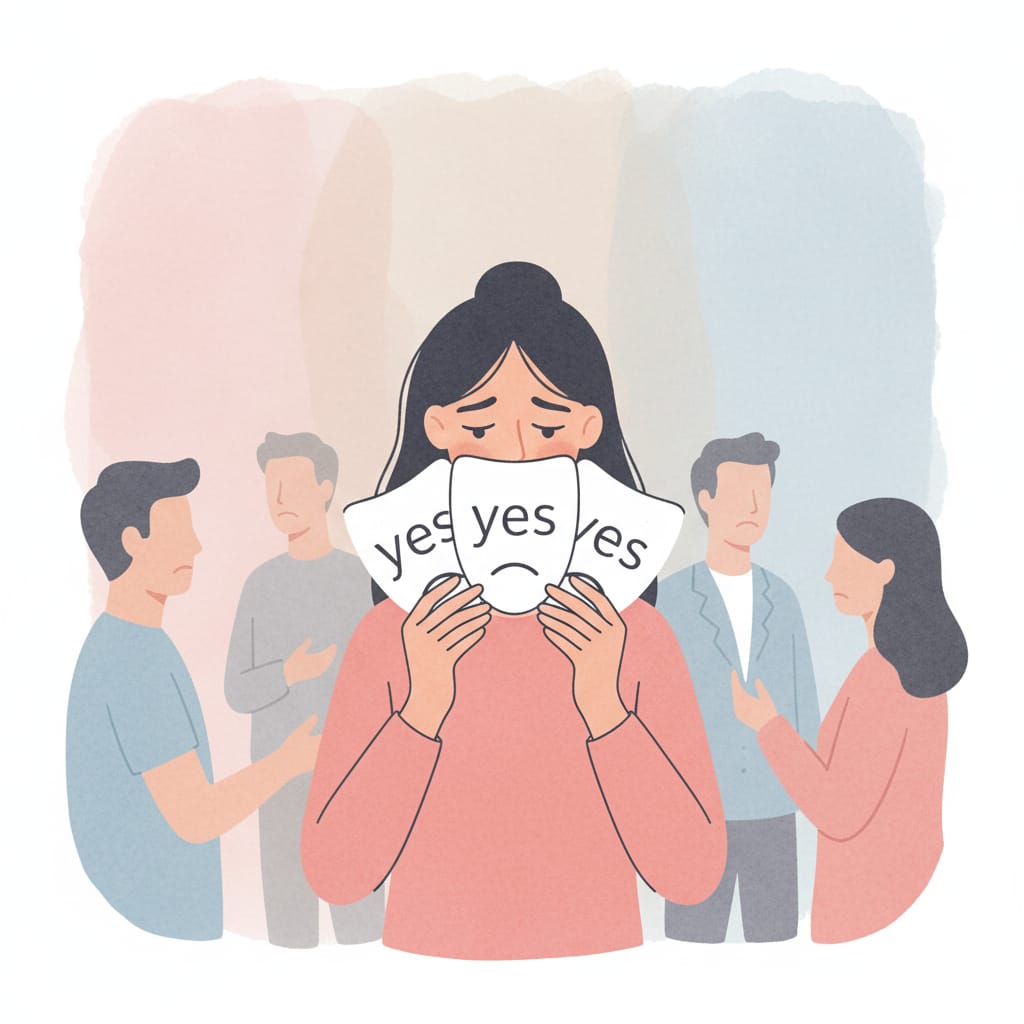
- Say “yes” when you want to say “no.”
- Apologize for things that aren’t your fault.
- Feel anxious if someone is upset with you even slightly.
- Avoid expressing your own needs to keep the peace.
- Feel like your sense of worth depends on being helpful or liked.
- Struggle with resentment, burnout, or a loss of identity because you’re always putting others first.
These patterns can look like selflessness. But if they come from fear rather than choice, they can leave you feeling stuck, exhausted, and unseen.
Why the Fawn Response Develops
The fawn response is usually rooted in trauma not always “big” trauma, but often repeated experiences of emotional neglect, criticism, conflict, or instability.
For a child who can’t escape, fighting or fleeing isn’t an option. Freezing may not help either. So fawning becomes the best survival strategy: if I can keep everyone else happy, maybe I’ll stay safe.
How the Fawn Response Affects Adult Relationships
In adult life, fawning can create challenges:
- Boundaries blur: You may struggle to protect your time, energy, or needs.
- Resentment builds: Constantly giving without receiving leaves you feeling drained.
- Authenticity suffers: Relationships may feel shallow or one-sided because you’re hiding your true feelings.
- Self-worth gets tangled: You may believe your value comes from what you do for others, not who you are.
Healing from the Fawn Response
The good news is that survival strategies can be unlearned. With support, you can begin to replace people-pleasing with healthier ways of relating.In therapy, we can:
- Identify triggers: Noticing when you slip into fawning and why.
- Reconnect with needs: Learning to recognize what you want and feel.
- Practice boundaries: Building confidence to say no, set limits, and tolerate others’ disappointment.
- Develop self-worth: Shifting from “I’m valuable because I please others” to “I’m valuable because of who I am.”
- Heal the nervous system: Through somatic work and trauma-informed approaches, we help your body feel safe enough to stop over-accommodating.
Moving from Survival to Choice
The fawn response is not weakness. It’s a creative survival strategy that may have protected you when you had few options. But in adulthood, it can keep you trapped in cycles of burnout, resentment, and invisibility.
Healing means learning to choose kindness when you want to not because you’re afraid of what will happen if you don’t.
👉 If you recognize yourself in the fawn response and want to build healthier boundaries and relationships, therapy can help. Contact me to start your journey toward authenticity, confidence, and freedom.
- All Posts
- Individual Therapy
- public
- Trauma Therapy
Inherited Trauma: Can We Heal What We Didn’t Experience? Ayesha grew up in the UK, surrounded by a loving family....
Attachment Styles in Adult Relationships: Why We Love the Way We Do Discover how attachment styles shape the way we...
Inherited Trauma: Can We Heal What We Didn’t Experience? Discover how the “fawn response” people-pleasing to avoid conflict develops as...